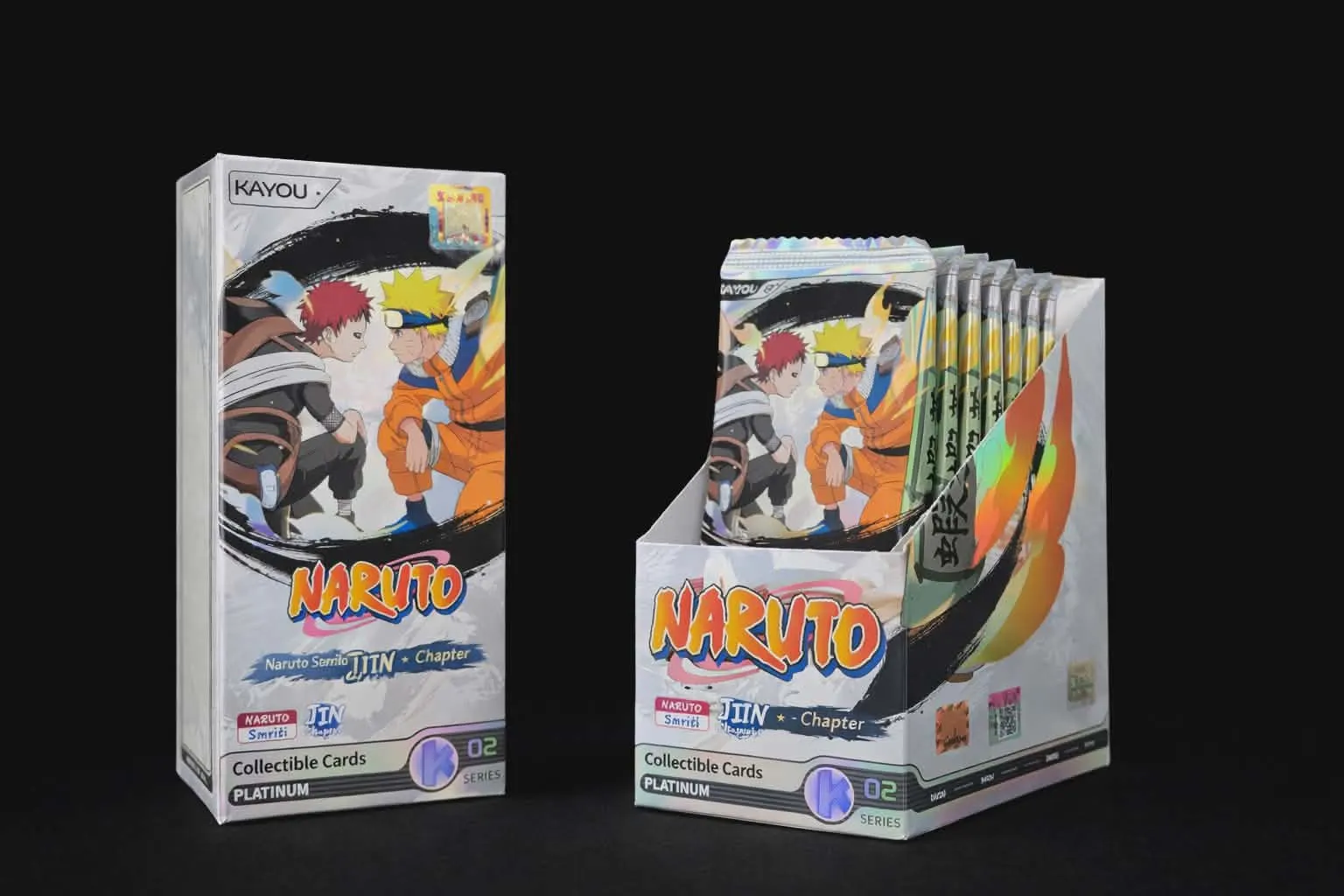
Shop this guide
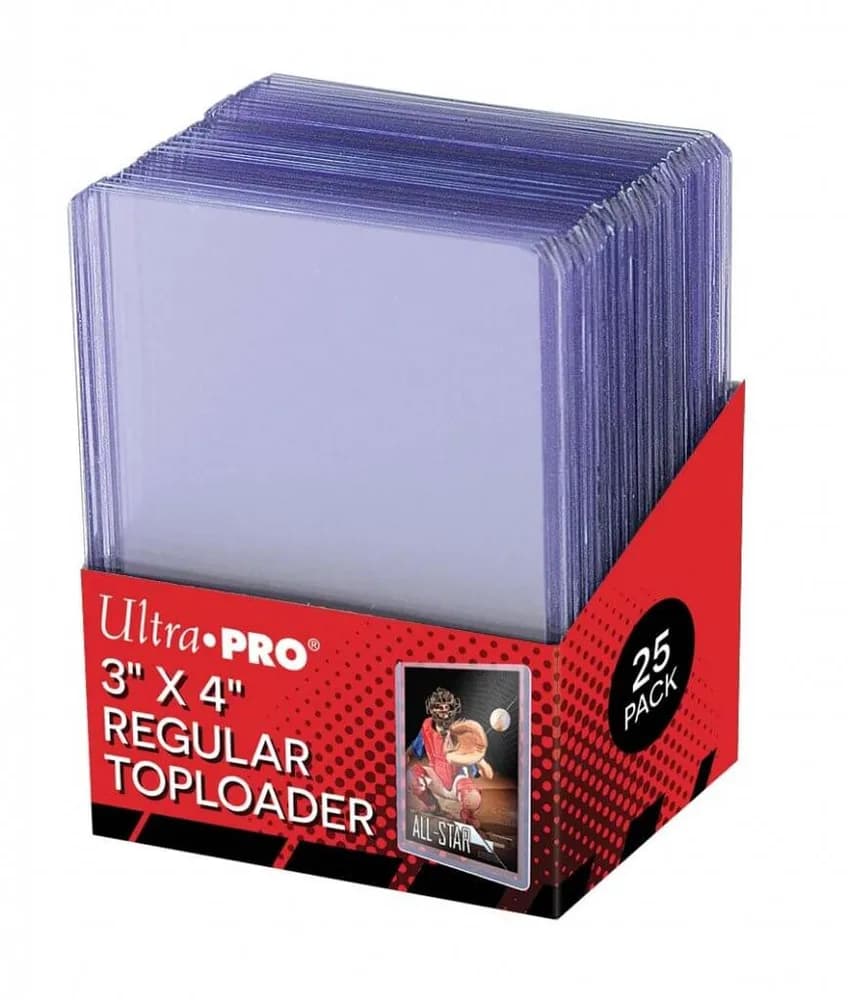
Live price & stock · dispatched from NSW.
If you've pulled something worth protecting — a serialised hit, a full art, an SP — the last thing you want is to find it creased, warped, or yellowed six months later. Knowing how to store KAYOU Naruto cards properly is one of the most practical skills a collector can pick up, and it doesn't need to be complicated or expensive.
Quick Answer
Double-sleeve your hits in a penny sleeve plus a Dragon Shield or similar premium outer, then store them in a rigid toploader or one-touch holder. For your base set, single-sleeved in a quality binder works fine. Keep everything away from direct sunlight, and if you're in a humid part of Australia, silica gel packets are worth the minimal effort.
Why Protecting Your Cards Matters
KAYOU Naruto cards are collectibles. There's no deck-building or gameplay attached — the card itself is the product. That means condition is everything, whether you're keeping a collection for personal enjoyment or eventually sending cards off for professional grading.
Cards in poor condition lose display appeal and are harder to grade well down the line. Even minor edge wear, surface scratches, or humidity warping can drop a card from a potential high grade to a mid-grade result. Given that the serialised and rarity-tiered cards in the KAYOU Naruto line are genuinely difficult to pull — as outlined in our card value guide guide — protecting what you do pull is just good practice.
The good news: a few simple habits, established early, will keep your collection in solid shape for years.
Sleeves — Penny Sleeves vs Premium and When to Double-Sleeve
Sleeves are your first line of defence, and the right choice depends on what you're protecting.
Penny sleeves are thin, inexpensive polypropylene sleeves sold in bulk. They're perfectly adequate for base commons and lower-rarity cards that are going into a binder. They protect against dust and light surface contact without adding bulk.
Premium sleeves — Dragon Shield Mattes are a popular choice among collectors for good reason — are thicker, hold their shape better, and have a matte finish that reduces glare without scratching the card surface. They also tend to stay put rather than sliding loose in a toploader. For anything you'd consider a meaningful pull, a premium sleeve is worth it.
Double-sleeving means putting the card in a penny sleeve first, then sliding that into a premium outer sleeve. This creates a buffer against moisture and dust getting in around the edges, and gives the card extra rigidity. It's the standard recommendation for:
- Serialised cards
- SP, SSR, or higher-rarity pulls
- Anything you're planning to send for grading
If you're unsure whether a card warrants double-sleeving, the rule of thumb is simple: if you'd be annoyed to damage it, double-sleeve it.
Toploaders and One-Touch Holders for Your Hits
Once a card is sleeved, rigid protection keeps it from bending in transit or under pressure in a binder or box.
Toploaders are hard plastic sleeves, usually 3x4 inches, that a sleeved card slots into. They're inexpensive and available from most hobby or office supply stores. They're the standard for storing individual hits and make it easy to flip through cards without bending them.
One-touch holders (sometimes called magnetic cases) go further — two rigid panels held together by magnets, with UV-blocking acrylic in some versions. They're overkill for everyday storage but appropriate for your most significant pulls. If you're planning to display a card or store it long-term without handling it, a one-touch is worth considering.
A practical workflow: pull a hit, penny sleeve it immediately, add a premium outer, drop it into a toploader. It takes about 30 seconds and protects the card from the moment it leaves the pack.
Binders and How to Organise Them
For the bulk of a collection, a binder is the most practical storage format. You can display cards clearly, flip through them easily, and organise however makes sense to you.
Choosing a binder: Avoid cheap D-ring binders. The rings press directly on cards and can cause ring indentations or bending over time. Side-loading portfolio-style binders — where the card slides in from the side rather than sitting against a ring — are far safer. Many collectors use trading card-specific portfolio binders with built-in pockets.
Page quality matters: Polypropylene pages are card-safe. PVC pages (often found in bargain binders) can off-gas over time and damage cards. When in doubt, buy pages marketed specifically for trading card storage.
Organising your binder: There's no single right answer here, and how you organise often reflects what you enjoy about collecting. Common approaches:
- By set — all cards from a given series together, in set number order. Clean and easy to check completion.
- By rarity — commons together, then uncommons, then the rarity ladder upward. Makes it easy to see your hits at a glance.
- By character — Naruto, Sasuke, Kakashi, Itachi each get their own section. Popular for character-focused collectors and looks great displayed.
- Hybrid — set organisation within a character section. More effort to maintain but very satisfying if you're a completionist.
Pick an approach you'll actually stick with. A half-organised binder that gets updated regularly beats a "perfect" system you abandon after a week.
Storing Serialised and Graded Cards
Serialised cards — numbered to a limited print run — deserve extra attention. These are the cards most collectors would consider submitting for professional grading eventually, and every handling decision between now and then affects the outcome.
For serialised cards: double-sleeve, toploader, then store the toploader in a rigid case or box away from other items that could press against it. Don't stack heavy items on top.
If you've already had cards graded, the grading company's hard case provides solid protection on its own. Store graded cards upright in a purpose-built graded card box or similar rigid container — don't lay them flat in a pile. Our guide on how to grade KAYOU Naruto cards goes into the grading process — including whether it's worth it for your card — in more detail if you're weighing up whether to submit.
For more on what makes a serialised card significant, see our serialised cards guide.
Climate Matters in Australia — Heat and Humidity
Australia's climate creates some specific challenges for collectors. Humid summers in Queensland and the Northern Territory, dry heat inland, and temperature swings in Melbourne can all affect cards over time.
Heat causes cards to warp. Avoid storing your collection in a car, near a window that gets direct afternoon sun, or in an outdoor shed or garage that isn't climate controlled. Inside, away from windows, is the baseline.
Humidity is more insidious. High moisture causes cards to absorb moisture unevenly, leading to warping and, over time, surface degradation. Low humidity causes brittleness and can crack cards stored without sleeves.
Practical steps:
- Store your collection in a consistent indoor environment, ideally with your home's air conditioning or heating keeping temperature and humidity reasonably stable.
- Add a few silica gel packets to any sealed box or storage container. These absorb excess moisture and are cheap and reusable (you can dry them out in an oven).
- Avoid sealed airtight containers without silica gel — you can trap moisture inside.
- A relative humidity of roughly 40–55% is considered comfortable for card storage. You don't need to obsess over it, but if you're in a particularly humid region, a cheap humidity monitor for the storage area is worth considering.
Common Storage Mistakes to Avoid
Even experienced collectors make these errors:
- Not sleeving immediately after opening packs. Cards picked up with bare hands collect oils and are at risk the moment they're unsleeved. Sleeve pulls the same session you open them.
- Using rubber bands. Rubber bands indent and damage cards. Never bundle cards with them.
- Overfilling binder pockets. Cramming two cards into a single pocket stresses both. One card per pocket, always.
- Storing in direct sunlight. UV fading is real and irreversible. Cardboard boxes or opaque storage are better than display shelves in direct light.
- Ignoring humidity. This is the one Australian collectors most often overlook. A cheap silica gel pack could save a card you'd struggle to pull again.
- Buying counterfeit cards and not knowing it. If you're picking up singles or sealed product from secondary sellers, familiarise yourself with our guide on how to spot fake KAYOU Naruto cards.
Thick and embroidered cards need a bigger toploader
KAYOU's newest chase cards are physically thicker than the standard print run. The embroidered QR and Diamond QR cards that arrived with the Ninja Age wave layer a stitched patch inside a heavy card frame, and collectors are finding a regular 35pt toploader is an uncomfortably tight squeeze — the community thread that keeps resurfacing is some variant of "the cards seem a bit too thick for the toploader, so I'm not comfortable keeping them in there."
The fix is the same one sports-card collectors use for patch cards: a thick-card toploader. Our 130pt thick-card toploaders hold anything a standard 35pt toploader won't close around cleanly, and the sleeve-first rule doesn't change — a sleeved card should slide in without force. If you have to push, size up: forcing a thick card into a tight holder is exactly how edges and embroidery get crushed.
Frequently Asked Questions
Do I need to sleeve every KAYOU Naruto card?
Strictly speaking, no — sleeving every common is optional. But it's a good habit to build, because it's far easier to sleeve everything from the start than to go back and sort through a collection later. At minimum, sleeve anything above common rarity, and double-sleeve anything you consider a meaningful pull.
Penny sleeves or Dragon Shield — which should I use?
Both, depending on what you're protecting. Penny sleeves are fine for commons going into a binder. Dragon Shield or a comparable premium sleeve is the better choice for higher-rarity cards, hits, and anything you might eventually grade. For your best pulls, use both together: penny sleeve inside, premium sleeve outside.
What's the best way to store serialised KAYOU Naruto cards?
Double-sleeve the card (penny sleeve then a premium outer), place it in a toploader, and store it somewhere stable and away from temperature extremes. If you're planning to grade it, minimise handling — use clean hands or cotton gloves, and touch only the edges. Our serialised cards guide covers what makes these cards significant.
Are binders bad for trading cards?
D-ring binders can be — the rings create pressure points that damage cards over time. Side-loading portfolio binders with polypropylene pages are the safer option and what most serious collectors use. Avoid PVC pages and cheap binders where the card pockets feel thin or tacky.
How do I protect cards from humidity in Australia?
Keep your collection indoors in a stable environment, avoid airtight containers without silica gel, and consider adding silica gel packets to any storage box. If you're in a high-humidity region, a small humidity monitor is a worthwhile purchase. The goal is a consistent environment — it's dramatic swings in temperature and humidity that cause the most damage.
What toploader size fits the thicker embroidered KAYOU cards?
A standard 35pt toploader suits regular KAYOU Naruto cards, but the embroidered QR and Diamond QR cards from the newer waves are noticeably thicker and shouldn't be forced into one. Use a 130pt thick-card toploader for those — sleeve first, and if the card doesn't slide in freely, the holder is too small.
Solid storage habits are one of the easiest ways to protect the value and condition of a collection you've put real effort into building. If you're still working on your collection, browse our range of booster boxes and booster packs to keep adding to it.
Keep Exploring
Continue into the most relevant buying pages and cornerstone guides from this topic.
Cornerstone
KAYOU Naruto Cards Australia: The Full Guide
Start here for an end-to-end view of sets, rarities, and the local buying experience.
Read the full guideChase cards
Rarest KAYOU Naruto Cards
The chase cards collectors are hunting and what makes each one valuable.
See the chase listBuying
Best KAYOU Naruto Booster Box to Buy in 2026
The 2026 box rankings: value, chase potential, and the right one for your budget.
See the 2026 picksBrand hub
KAYOU Naruto Cards Australia
The whole line at a glance — Jin Chapter and Earth Scroll, every series and edition, with sealed boxes, packs and bundles in stock.
Explore KAYOU NarutoWritten By
Cottier TCG Editorial Team
Bringing you accurate KAYOU collecting news and buying guides for Australian collectors. Based in the Central Coast, NSW Australia.
Collectors Club
Enjoyed this guide? Get the next drop first.
Join the Collector's Club for restock alerts, new collector guides, and early access to KAYOU boxes before they sell out.
New members get 10% off your first order
Keep Reading
Other stories you might enjoy from our experts.

KAYOU Naruto Earth Scroll Series 3 Card List: All 122 Cards, Rarities and Pull Odds
Every KAYOU Naruto Earth Scroll Series 3 card pictured by tier, with KAYOU's printed pack ratio worked out for a 20-pack box, the CR code oddity, how the set compares with Earth Scrolls 1 and 2, and the Australian pre-order.
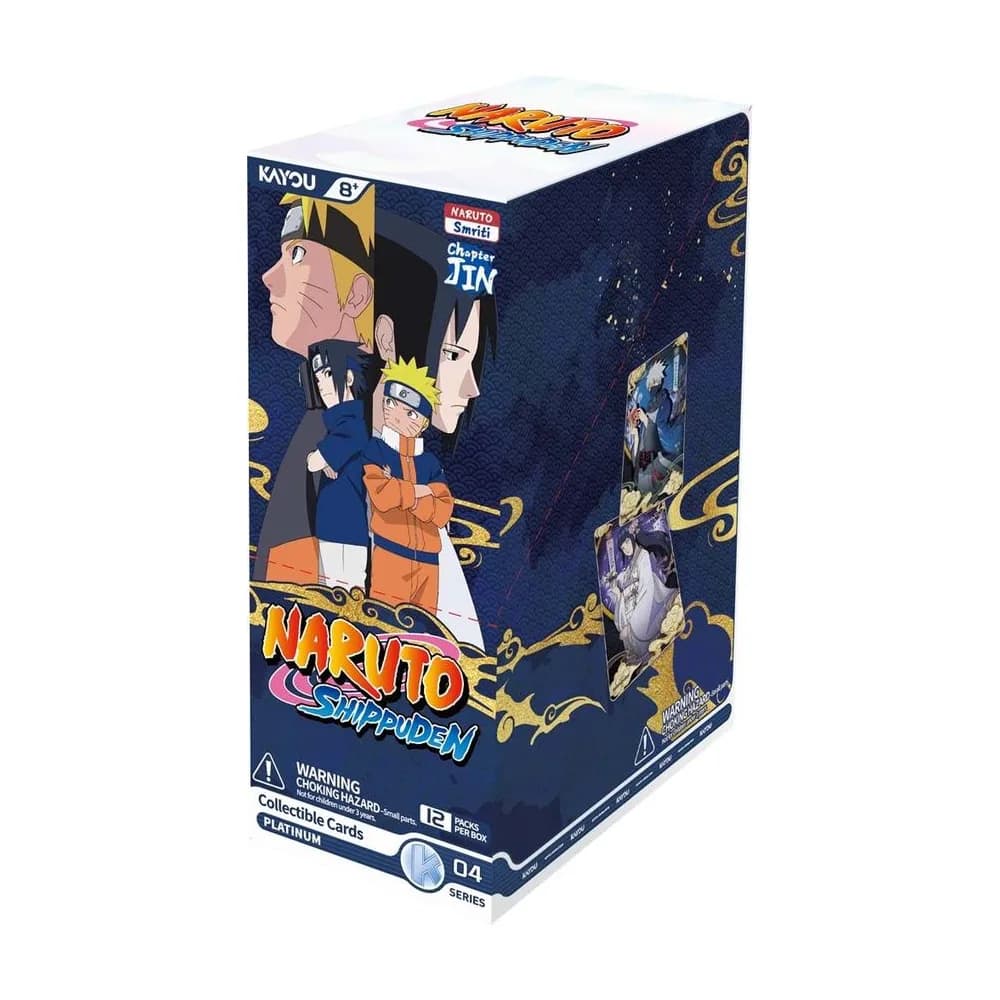
KAYOU Naruto Jin Chapter Series 4: Release Date, Numbered Cards and Where to Pre-order in Australia
KAYOU's first English Naruto: Shippuden set explained: US and Australian release dates, the 12-pack box and 16-box case, why the card count differs between sources, what is and is not confirmed about its numbered cards, and how to pre-order from NSW.
Most Valuable KAYOU Naruto Earth Scroll Series 2 Cards: Itachi CR and the Real Chase
Itachi CR sold 23 times at a A$384 median, from a cheap box. The Diamond UR the box advertises is a A$50 card. Every Earth Scroll Series 2 card worth money, from completed eBay AU sales.